Ekadashi, the eleventh day of each lunar fortnight, is the most sacred fast for devotees of Lord Vishnu. It comes twice a month, and each of the 24 Ekadashis of the year has its own name and story, from Nirjala Ekadashi in Jyeshtha to Dev Uthani Ekadashi in Kartik.
Why Ekadashi is special
The Padma Purana says that all sins take shelter in grains on Ekadashi, which is why grains are avoided on this day. More simply, the fast gives the body rest and turns the mind inward. With less time spent on food, more time is given to japa, kirtan and reading the Bhagavad Gita or Shrimad Bhagwat.
Ekadashi is not about going hungry. It is about feeding the soul.
How to observe it
- On Dashami, the day before, eat a light sattvic meal before sunset.
- On Ekadashi, avoid grains, rice, pulses, onion and garlic. Depending on your health, keep a nirjala (waterless), phalahar (fruit and milk) or one-meal fast.
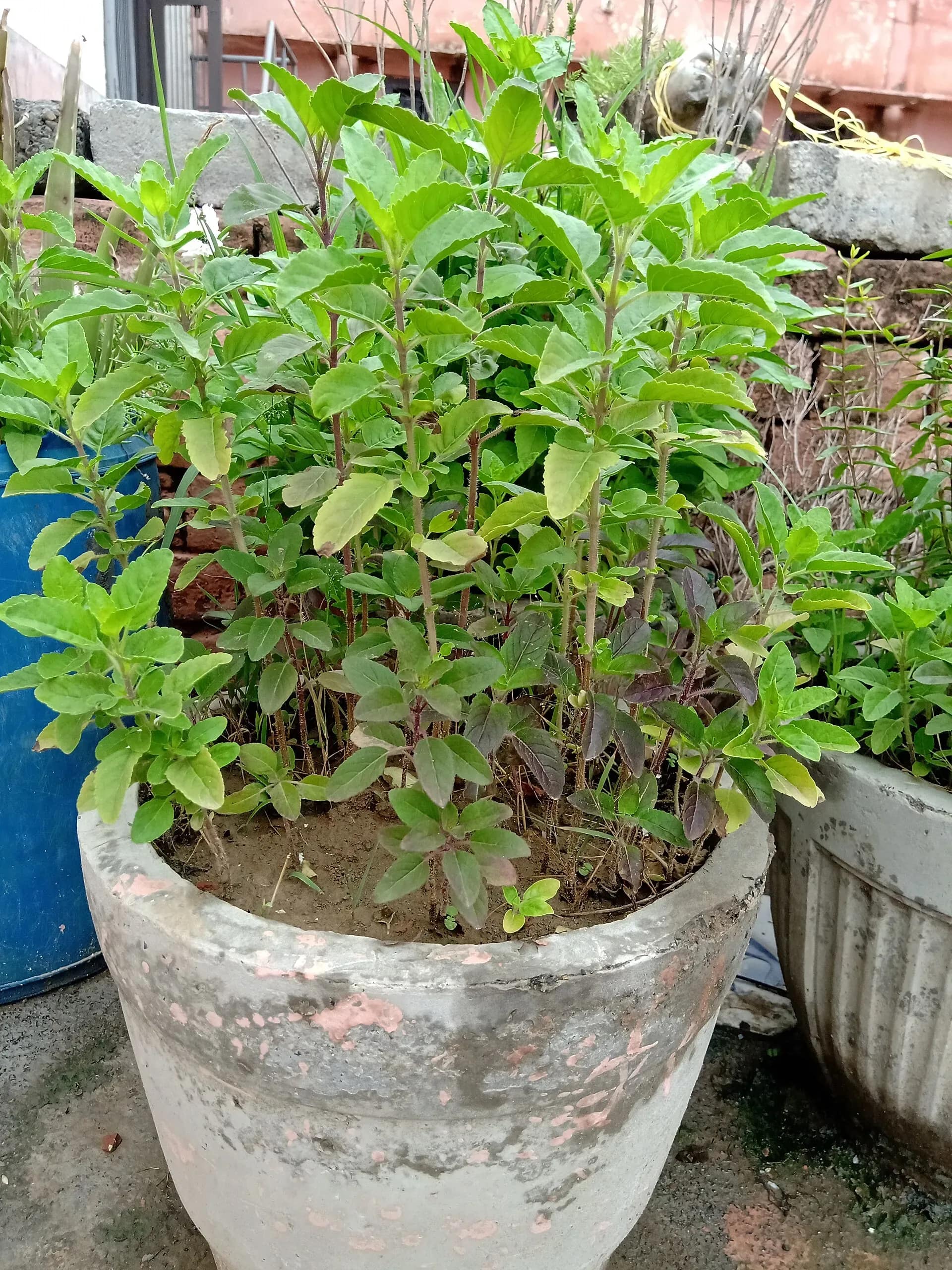
- Rise early, worship Lord Vishnu with Tulsi leaves picked the day before, and chant Om Namo Bhagavate Vasudevaya.
- Spend the evening in kirtan or listening to katha, and stay awake late if you can.
Breaking the fast (parana)
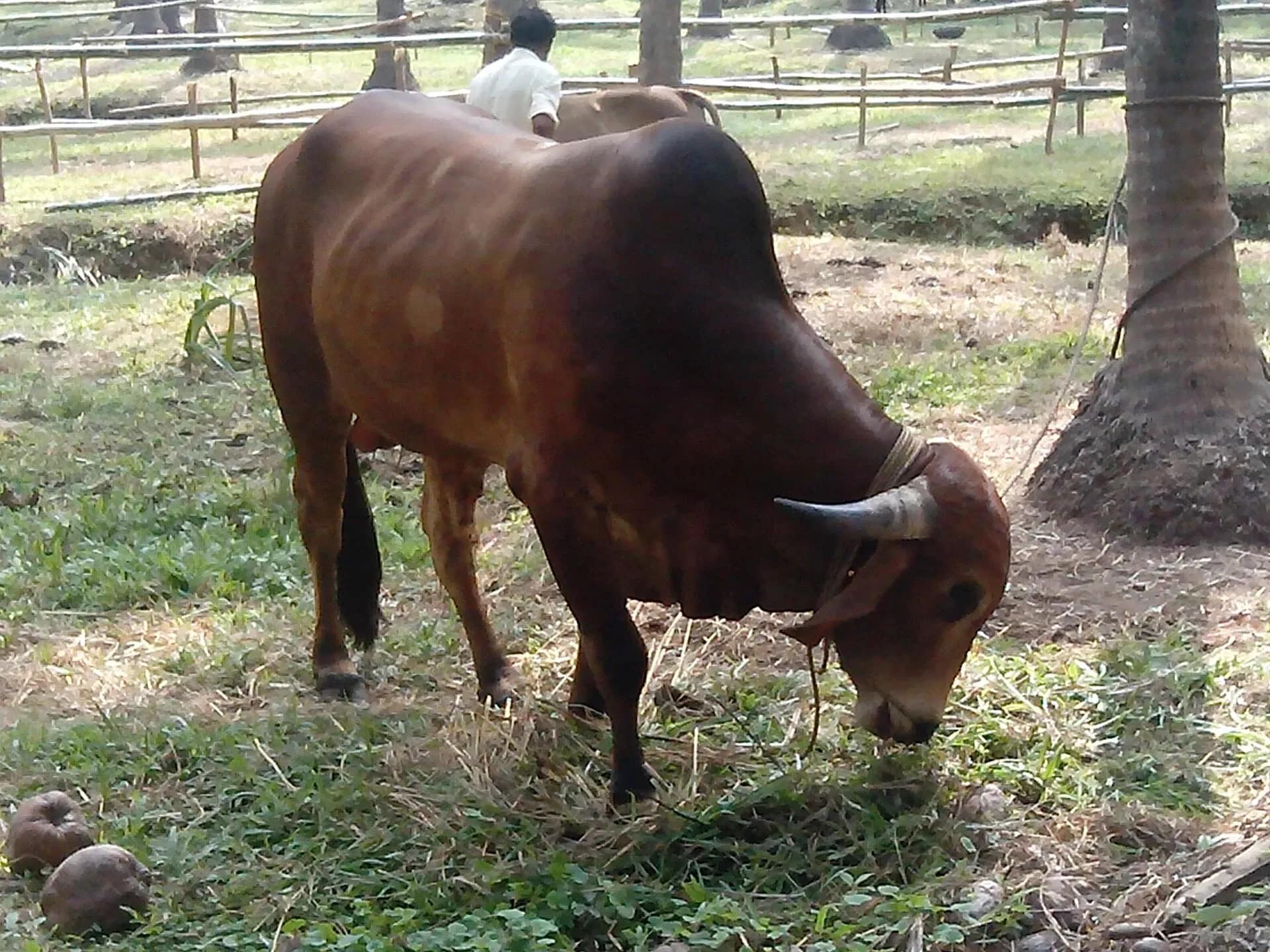
The fast is broken on Dwadashi, the next day, within the parana time given in the panchang, usually after sunrise and before a quarter of the day has passed. Offer food to Lord Vishnu first, give something to a Brahmin, a cow or someone in need, and then eat a simple meal.
A note on health
Children, elders, pregnant women and anyone with a medical condition should keep a gentle phalahar fast or simply avoid grains. Devotion matters far more than hardship.
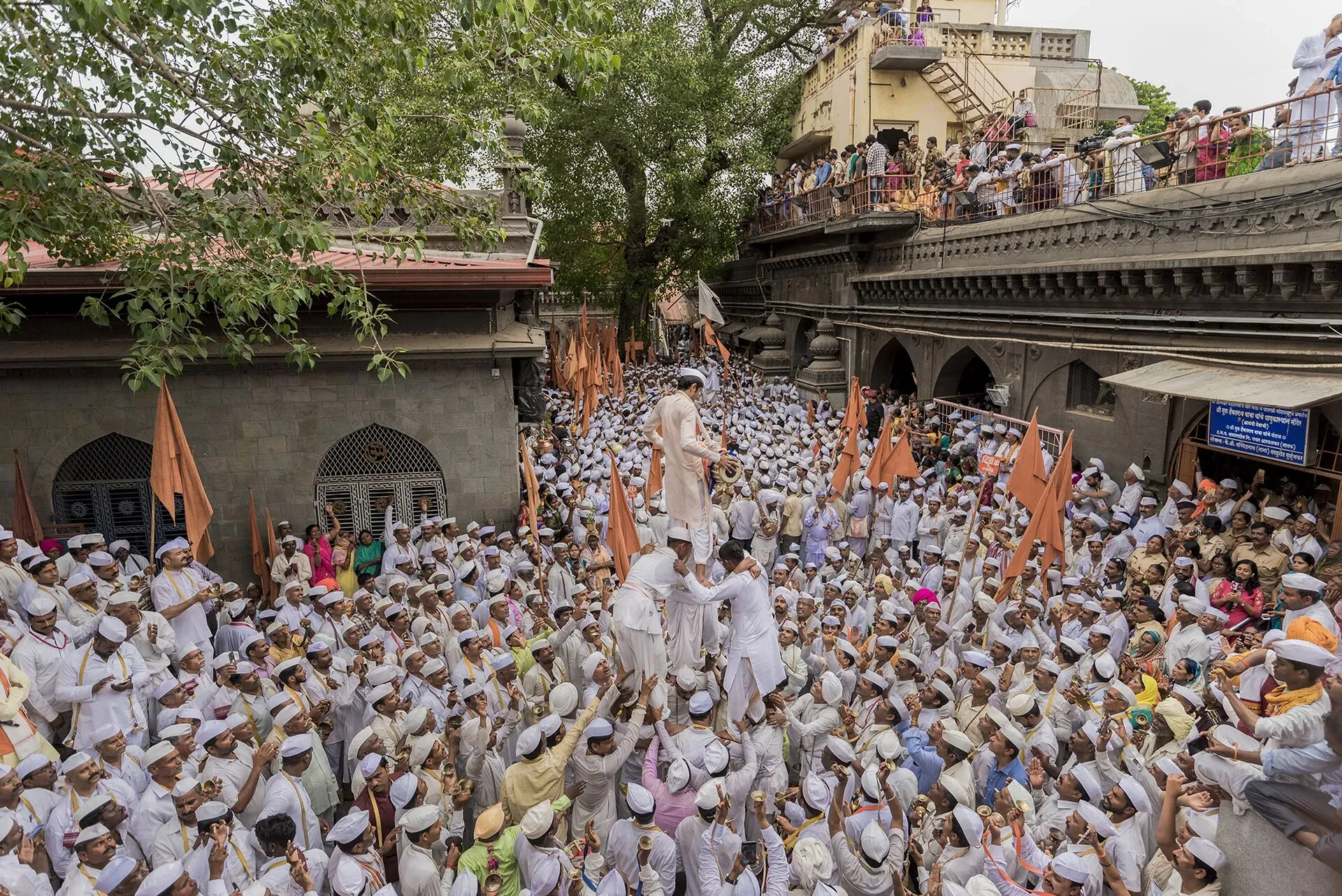
Image: Warkari.jpg, Ashu905, CC BY-SA 4.0, via Wikimedia Commons.